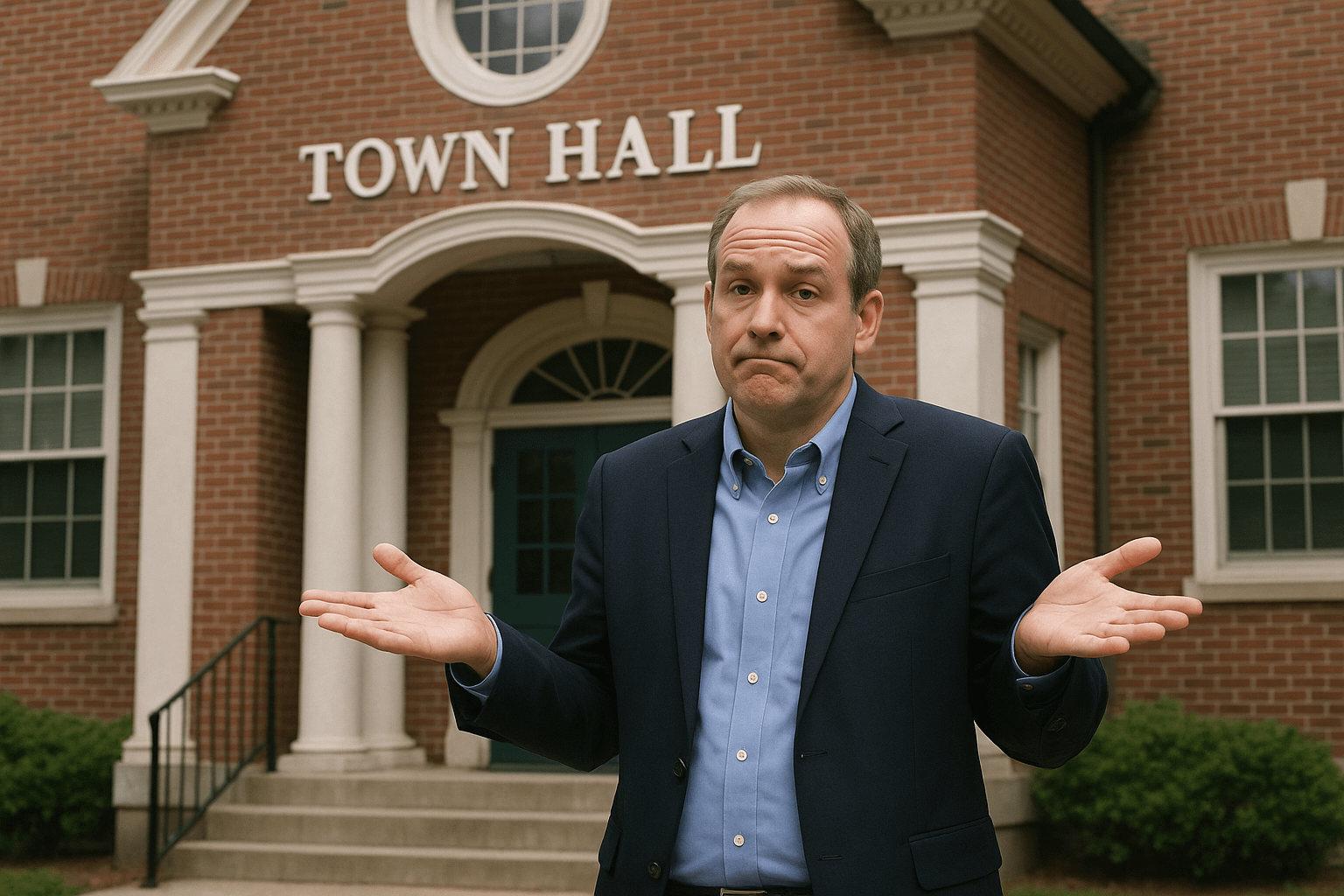
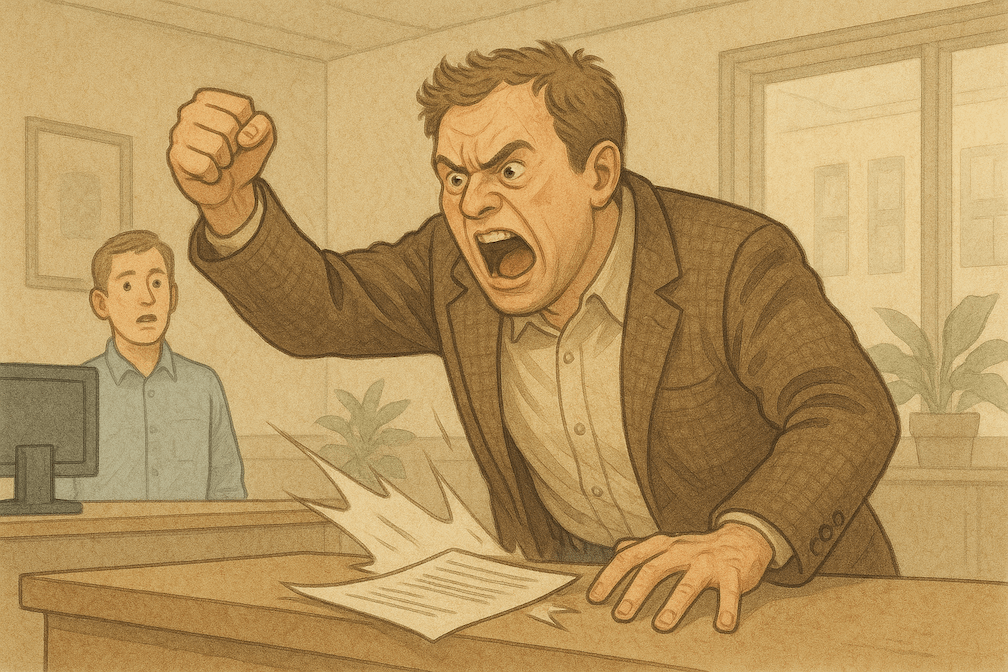

There’s a strange moment that happens more often than it should in the course of my professional life. It usually occurs during a difficult interaction, a policy dispute, or an internal conflict at work. A moment when I find myself calmly, respectfully, but firmly saying “no” to someone. And it’s not just that they don’t like it. It’s as if they’ve been stunned, struck by a bolt, as if no one has ever said “no” to them before.
And sometimes, I strongly suspect they haven’t.
It’s an incredibly peculiar feeling, realizing that you are the first boundary that another person has encountered in their life… at the age of 55.
Entitlement Doesn’t Age Well
We talk a lot about the entitlement of youth: the “everyone gets a trophy” generation, the rise of participation culture, the constant dopamine drip from the validation of social media. But I’ve come to learn that entitlement doesn’t end with adolescence. In fact, when unchecked, it calcifies. It hardens into something more difficult to challenge: a worldview that’s been built on the belief that one’s preferences, priorities, or feelings should always take precedence above everyone elses’.
Some people arrive in adulthood having never been told “no” in a way that sticks. Not by their parents. Not by teachers. Not by peers. Not even by employers who were more interested in avoiding conflict than in shaping character. And so, the first time they’re held accountable, really, truly accountable, they don’t know what to do with it. They unravel. Or explode. Or more often than not, they demand a manager.
They’re not used to a world where someone applies the rules to them.
No Is Not Cruel
Let’s be clear: telling someone “no” isn’t about dominance or humiliation. It’s about boundaries and it’s a show of fairness in the way we interact. It’s about helping people understand that their wants are not the same as their rights; and that living within a functioning society means sometimes deferring to the needs of others.
The word “No” teaches resilience, builds perspective, keeps selfishness in check, and more importantly, it’s the foundation of any relationship that’s honest and healthy. And this is true of every single relationship whether it is personal, professional, or public. A healthy and well-adjusted individual can look upon this honesty not just as healthy and necessary, but as respectful. Honesty conveys an intrinsic respect; it signals to the recipient that you believe they are mature enough to receive a truthful and direct answer. Rather than a child that requires placation through dishonesty and special treatment.
Yet I find myself encountering countless people, grown adults, who treat a simple boundary like a very personal attack. They assume that if they push hard enough, yell loud enough, escalate high enough, or sob long enough, someone will eventually cave. That the world will yield, just as it always has.
And sometimes, I’m the poor soul assigned to disappoint them. To become, quite literally, their first “no.” To explain there is no one higher, there are no alternatives, there is only my honest denial.
We’ve Mistaken Niceness for Kindness
Part of the problem is cultural. We’ve spent decades encouraging customer satisfaction, inclusivity, and “making it work” at all costs. We mistake endless accommodation for kindness, when in fact, real kindness often involves honesty and clarity, even when it’s uncomfortable… especially when it’s uncomfortable!
There’s nothing kind about enabling entitlement, nothing generous about rewarding bad behavior, and there’s nothing wise about allowing one unreasonable person to override the needs of everyone else.
Whether it’s a customer demanding special treatment, an employee resisting feedback, or a colleague assuming the rules don’t apply to them. At some point, someone must step up and be the adult in the room. Someone has to say, “I understand what you’re asking, but unfortunately, the answer is no.”
That someone, quite often, seems to be me. But I have seen so much success in gaining allies in the army of honesty. And that is something that really matters; building an understanding and appreciation of why these boundaries matter. We’re not saying not to be rude, we’re saying ‘no’ to facilitate fairness.
Say It Sooner
What I’ve learned is this: the earlier we teach people the power and the necessity of hearing “no,” the more balanced and emotionally intelligent they become. The longer we delay it, the more likely we are to end up with 55-year-olds throwing tantrums in the lobby.
So let’s stop pretending that saying “no” is rude, it’s not. It’s responsible and it’s compassionate. And for some people, it might just be the first real step toward growth.
Even if it comes a few decades later than it should have.